

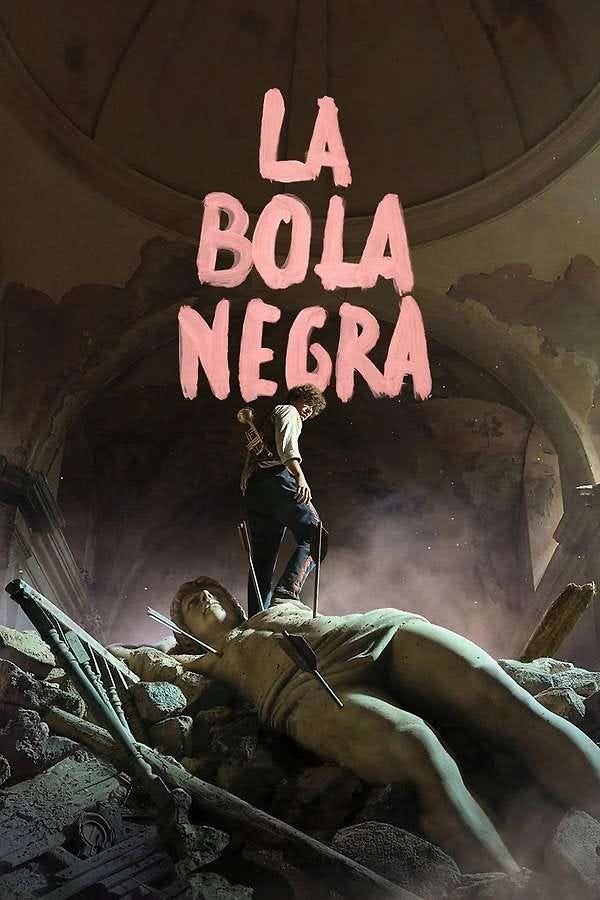
La Bola Negra is a revelation—both epic in scope and emotionally devastating. Written and directed by the filmmaking duo Los Javis, La Bola Negra is a must-see film filled with stellar performances, unforgettable scenes, and a deeply moving, decade-spanning story about art, love, and shame.
The film starts with a bang—taking us first to 1937, where Sebastian (Guitarricadelafuente), a trumpeter in a small Spanish village, is caught in an Italian bombardment during the Spanish Civil War. In an instant, the film establishes these dire stakes, shaking me to my core and never letting off the gas despite interweaving additional stories from 1932 and 2017.
We follow Sebastian as his story intersects with Alberto (Carlos Gonzalez), Rafael (Miguel Bernardeau), and Carlos (Milo Quifes) as they wrestle with family history, real-time persecution, and personal shame through three compelling time periods that ultimately come together in an unforgettable tableau.
Flanked by stellar performances from Penélope Cruz and Glenn Close, the maximalist filmmaking on display delicately avoids melodrama by authentically presenting the harrowing stakes for the entire cast. Guitarricadelafuente, Gonzalez, and Quifes are all given ample time to truly inhabit their characters, but I was most impressed by just how real even our tertiary characters feel.
La Bola Negra uses truly marvelous filmmaking to color every inch of these worlds, breathing life into everyone we meet and every location we visit. It’s frankly shocking that this film works because it is constantly throwing so much at you—these pieces should not fit together, but somehow they do. Los Javis are so successful at executing everything from horrific scenes of war to transcendent musical and dance numbers (I’d argue this film has two scenes that rival the musical interlude in Sinners).
The film is not perfect by any means. In particular, the modern story would better serve as a framing device than the full story it is intent on telling, but the sheer audacity and ambition of trying to make something of this scope is enough for me to forgive some of what does not work. And while the film could be improved by a tighter edit, I still found myself deeply moved by the culmination of these stories, the value in the sacrifices we make for future generations, and the complexities of living as our true selves in a world that is often dangerous and unsafe for many of us.