

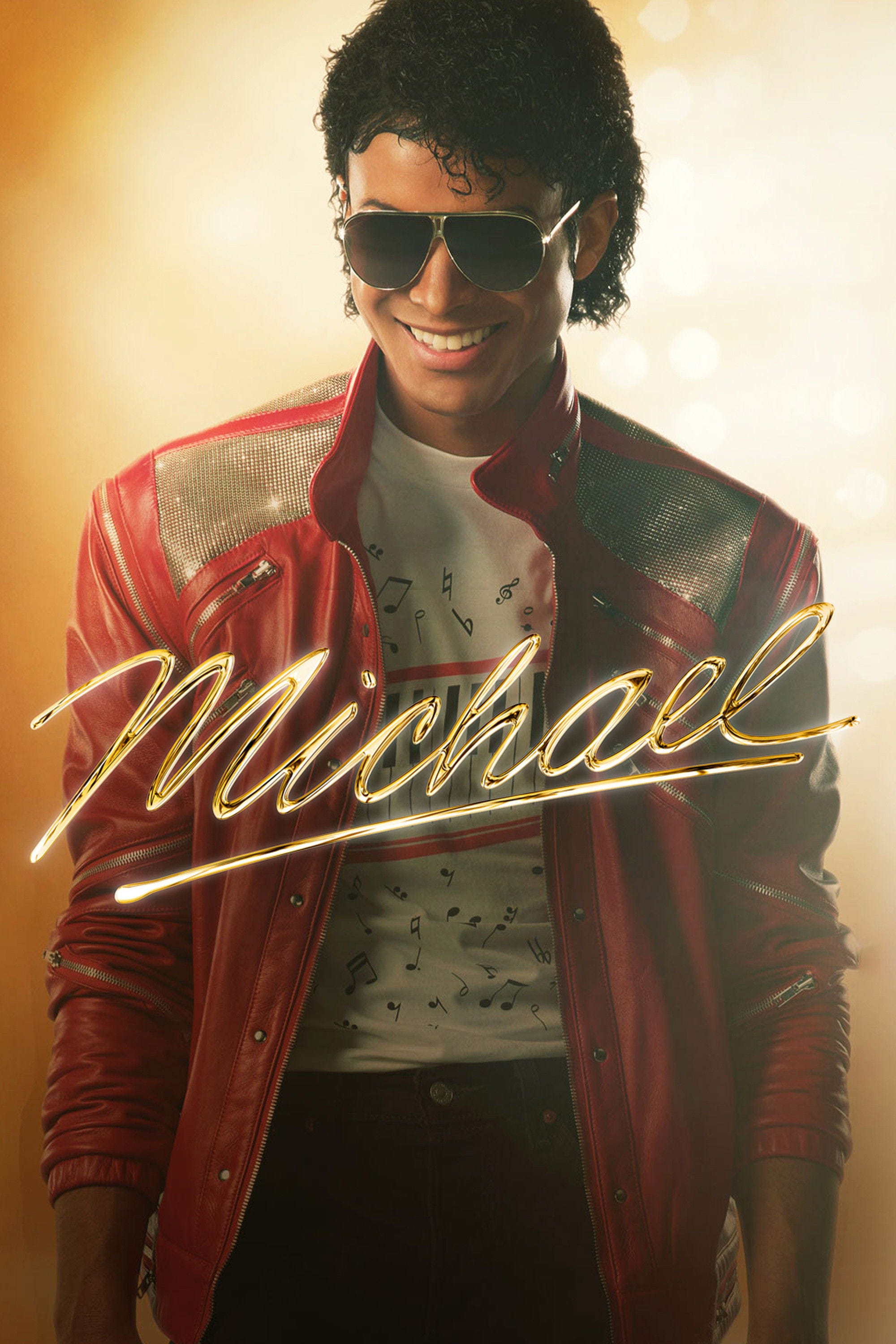
I firmly believe that we should judge art based on what it is trying to do rather than what we want it to be. That is how we get this deluge of shallow, soulless art like the latest MCU films and Star Wars properties. Instead of having a singular vision, these properties are trying to be content that appeals to everyone. That is not art.
A Michael Jackson movie, admittedly, is hard to judge in that manner. It is nearly impossible to separate the art from the artist, or to go into a biopic clouded by so much controversy surrounding its main character. Regardless of your feelings about Michael Jackson, of which the internet seems to have plenty, my goal is always to engage with the art presented to us based on what it is trying to achieve rather than what I, or anyone else, may demand of it.
All that said, Michael is a travesty. If you are in the camp that believes Michael Jackson is innocent and has been unfairly maligned by the media, or if you are someone repulsed by the fact that a movie would even be made about an alleged pedophile, I can assure you it does not matter, because this film is made for no one.
Taking place from the very start of Michael’s career to the final moments of the Victory Tour, conveniently avoiding the period when the accusations came to light, Michael is a superficial and shallow look at a person who, by all accounts, is both monumental and controversial. Given that, the only word I can use to describe this half-biopic, half-concert film is boring.
With so much to mine, the film is only comfortable painting in the broadest strokes. Wasting a truly impeccable performance by Jaafar Jackson, who completely and utterly transforms into Michael Jackson, Michael feels more like a shameless PR exercise than anything else. This obvious and uninspiring point of view paints Michael as a saint, his father as the devil, and refuses to peel back any layers or show us anything new.
The two-hour film is paced like a series of vignettes. There is no rhythm, something the King of Pop was so well known for, and the same tired conflict plays out over and over again, resulting in absolutely zero tension or drama in a film so dead set on painting Michael in a positive light. This defensive posture robs the film of saying anything at all, even as it seems desperate to say one very specific thing that is ultimately unearned.
Jaafar Jackson is great, but he cannot carry a film that feels made by committee, filled with compromises and too scared to say anything of substance. No doubt you will enjoy the music, but that is in no part the result of the film. They were simply lucky enough that Michael Jackson really was a musical genius, and the movie has every excuse to showcase his music.
Except even the music feels soulless. As much as Jaafar Jackson embodies Michael Jackson, it feels like a perfectly uncanny copycat because there is no depth to the character. At two points in the film, we see Michael spending time with ill patients in a hospital, as if the film is scared to show the audience anything remotely challenging about him. And the film is ruled by that fear. Even Colman Domingo, as the torturous patriarch Joe Jackson, is given nothing to work with. He is abusive and single-minded, with no complexity. The film revels in telling you how to feel without ever showing you—a true cardinal sin of filmmaking.
It is not even worth mentioning the other actors, who somehow manage to make almost no impression despite the film’s long runtime and its focus on the entire Jackson family, except Janet, who apparently refused to be portrayed in the film. This production was troubled. Apparently, an entire third act was excised when they realized that the settlement connected to the first child sexual assault allegations meant none of that could be portrayed on screen by the Jackson estate, and Diana Ross’s character is so obviously missing from major moments in the film. These absences are felt, though I have little faith that a more compelling version ever really existed here.
There is a moment when Jaafar Jackson, as Michael, is pulling together the iconic “Thriller” music video. He asks the director to pull the camera back and make sure everyone’s legs are captured, wisely suggesting that the special sauce is the dancing and that it needs to be seen. It is an astute observation, a good enough moment to leave in the film, and advice that Antoine Fuqua apparently never thought to implement. For all the musical recreations we see, not one captures the magic of an MJ music video or performance, instead relying on wild cuts that lack rhythm or momentum.
This film fails to capture what made Michael special, what made him controversial, or anything about the biggest pop star’s personal and private demons. If you have written Michael off, you have nothing to gain here, and if you still call yourself a Michael Jackson fan, you will not find much to enjoy either.
Despite all this, Michael is poised to be a success, likely bringing in over $100 million domestic this weekend and an even larger haul internationally. It is a shame, really. Michael, in a more deft filmmaker’s hands—I am looking at you, Spike Lee—could have, at the very least, been interesting. It could have been a commentary on his abusive childhood, its impact in his adult years, and the incentives that have made it nearly impossible to come to any agreement on who, or what, Michael Jackson really was. But there I go again, breaking my own rules. Judging this film on its own merits, it is a hard pass for fans, critics, and everyone in between.
Guess I’ll just see MJ on Broadway (for the third time)