

The time is upon us again, and I am finally ready to share my top films of 2025—but first, a quick recap.
Looking back on 2024, I was remiss in acknowledging how my health issues impacted my moviegoing experience at the end of 2024 and into 2025. Little did I know that was merely the beginning.
2025 was challenging. I had surgery again, numerous ER and hospital visits, and even when I was feeling okay, my body kept the score, and I never really felt 100%. During this trying year, I’m glad to say films were still a constant in my life, and I was able to spend hundreds of hours swept up in the darkness of the movie hall.
Which is why in 2026, with my health in check (bye-bye gallbladder… for real this time), I want to dedicate more time to my favorite pastime—going to the movies. I hope you’re excited to join me by subscribing to The Movie Hall, where you can come along on my movie-watching journey, enjoy (or argue with) my inevitably controversial takes, and learn a little bit about this industry that has meant so much to me.
I watched 135 films in 2025, 92 of which were new releases. Without further ado—here are my top 15 films of 2025.
⸻
1. Highest 2 Lowest — Apple TV+
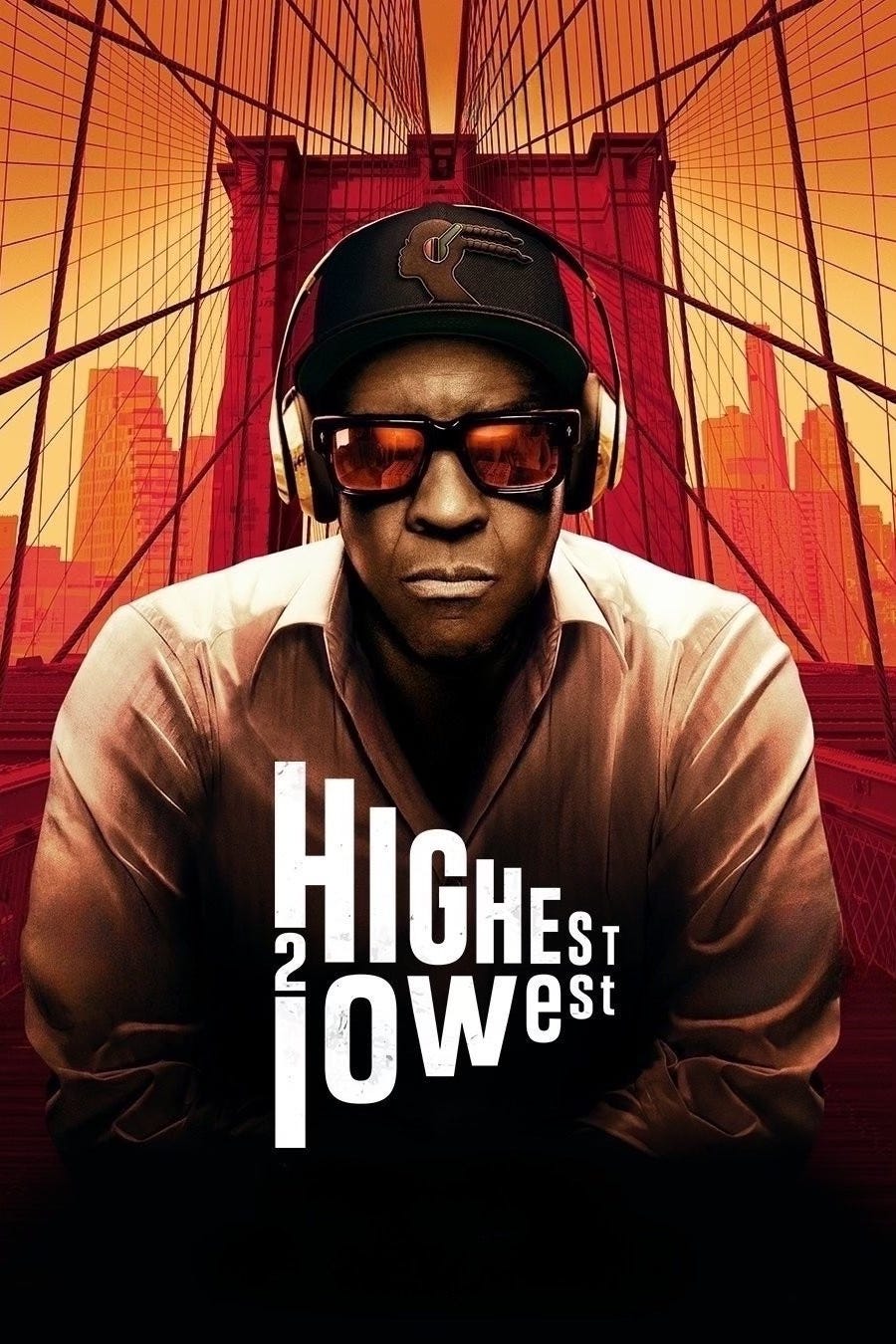
Highest 2 Lowest, the newest film from genius Spike Lee collaborating with Denzel Washington once again, is simply a masterpiece.
The Top Gun: Maverick of 2025, Highest 2 Lowest finds us following a titan of the music industry targeted by a ransom plot involving his son and a family friend, and it’s one of the most audacious and innovative films of 2025.
Calling this a simple remake does the film a disservice. While it’s true that it is based on Akira Kurosawa’s High and Low, Lee takes the premise, sets it in modern-day NYC, and uses some of our greatest living actors (and thrilling new talent like A$AP Rocky), building a startlingly powerful film that will stick with you long after the credits roll.
I’ll admit the first hour of the film felt like a slog. I remember sitting in the theater thinking to myself, “What is going on?” I should have known to trust Spike Lee, and halfway through the film, the choices made at the beginning start to click, and this thrill ride of a movie becomes transcendent.
The MTA heist scene is simply firing on all cylinders, and the climax of the film is awe-inspiring—unlike anything I’ve ever seen on film. The fact that the film hinges on a rap battle between A$AP and Denzel should not work—but it does—in large part due to the talent A$AP brings to the screen, valiantly holding his own against our greatest living actor: Denzel.
The denouement never lets up either, leading to a heavenly performance by Aiyana-Lee, performing “Highest 2 Lowest” for our reunited family.
⸻
2. Plainclothes — MUBI
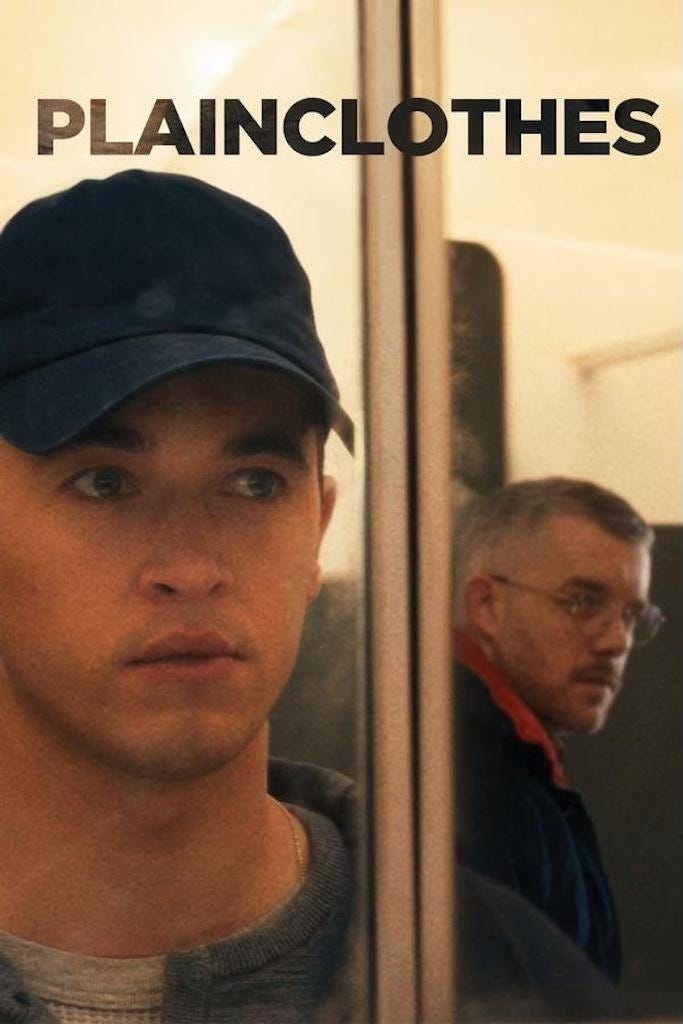
Plainclothes is a revelation and criminally underseen. From first-time director Carmen Emmi, Plainclothes evokes a 1990s undercover police officer struggling with his sexuality while being assigned to lure and arrest gay men.
Tom Blyth gives a tour-de-force performance as Lucas Brennan, the undercover cop, entangled with Russell Tovey’s Andrew, whom he meets while undercover.
What’s most impressive here is that Emmi, as a first-time director, pulls together incredible performances and a terrific score, all elevating a supremely confident script that is expertly paced and always shows rather than tells.
This film is an unrelenting look at the shame we face in a society that does not accept us, the complicity and harm we engage in even when it’s so personal, and the institutions that are meant to liberate us but instead keep us down. The relationship at play will feel all too real for anyone who has had to hide such a personal part of themselves, and the authenticity Blyth and Tovey inject into their roles is more than commendable. These performances feel real in the most heartbreaking and complicated of ways, and I won’t spoil where the story goes, but every twist and turn will leave you breathless, culminating in one of the most emotional climaxes of a film I’ve ever seen—where everything the film has spent showing us finally erupts to the surface. Bravo.
⸻
3. Eddington — HBO Max
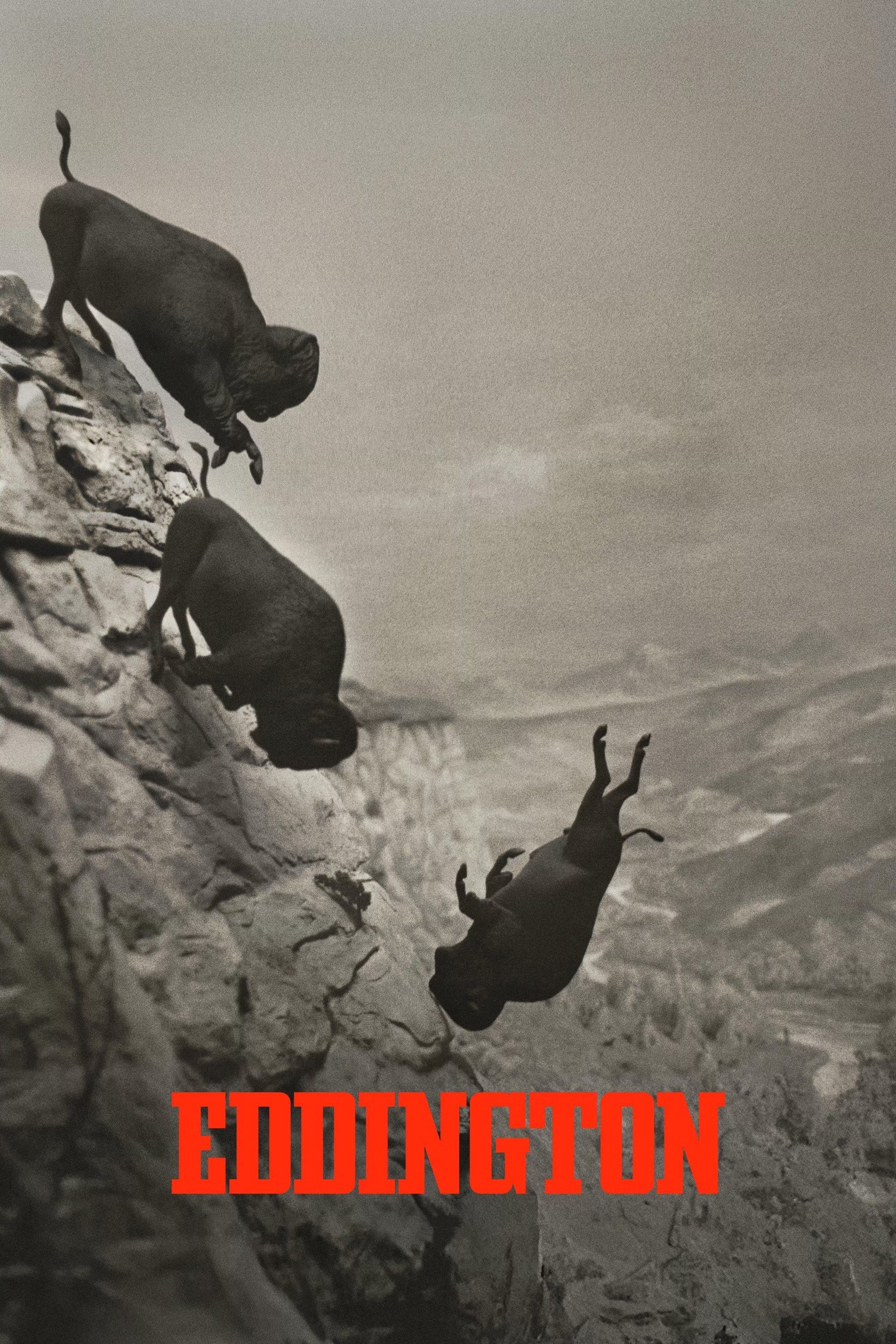
What is there to say about Eddington that hasn’t been said? Ari Aster is one of our most exciting filmmakers today, establishing himself with horror films Hereditary and Midsommar. His previous film, Beau Is Afraid, was incredibly ambitious but felt too disjointed to really resonate, so I was nervous about his follow-up, which felt more like another grand experiment in the vein of Beau than his earlier work.
I was wrong to be nervous. Eddington is a supremely confident film, serving as a retrospective on the days of COVID-19. It’s a deliberately challenging watch, as Aster holds up a mirror to this inflection point in our modern age—one there is no coming back from.
I won’t lie—this film is nihilistic. There is no hope for us. Our society is broken in deeply profound ways, and Aster achieves the greatest feat of cinema: illuminating the question without giving any easy answers. I can understand why this will be challenging for folks, but Aster’s devotion to capturing something truly real and authentic in this absurd portrait of a small town in New Mexico—caught at the crossroads of a society on the brink—should be celebrated.
In many ways, this is the most patriotic film of the past 10 years. Aster is screaming at us to take this war we are in seriously, and desperately hopes that someone has the answers, even if he may not.
⸻
4. Alpha — In theaters in March
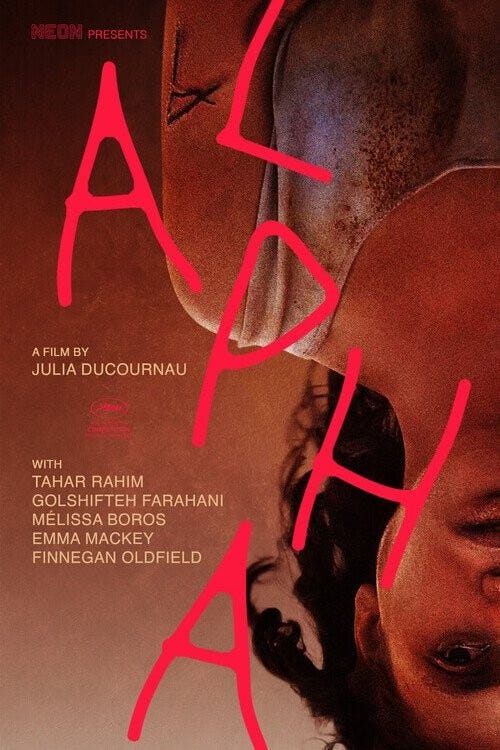
Julia Ducournau’s Alpha is incredible. Her previous film, Titane, was one of my favorite films of 2021, so I had unexpectedly high expectations for Alpha—and I was not disappointed.
Ducournau showed a mastery over genre in Titane and Raw, but in Alpha she takes a bold swing to eschew those same conventions, creating a uniquely compelling film that defies categorization.
Exhausting, oppressive, and ambitious, the visually arresting film is aided by three main performances that propel it into something greater than the sum of its parts.
Overstuffed in the best way, Alpha takes us through two timelines, with stories told in parallel, until the timelines become more opaque and you aren’t sure what is what, when is when, or who is who. A deliberately obtuse film, Ducournau taps into something raw with perfect musical choices, stunning visuals, and haunting moments that I have not stopped thinking about since I traversed all the way to the AMC Bay Plaza in The Bronx to watch this film during its awards-qualifying run. As much an AIDS metaphor as it is a COVID one, Alpha generously captures memory and loss through the eyes of a child—but its insistence that love is what binds us all is what makes this film truly devastating.
⸻
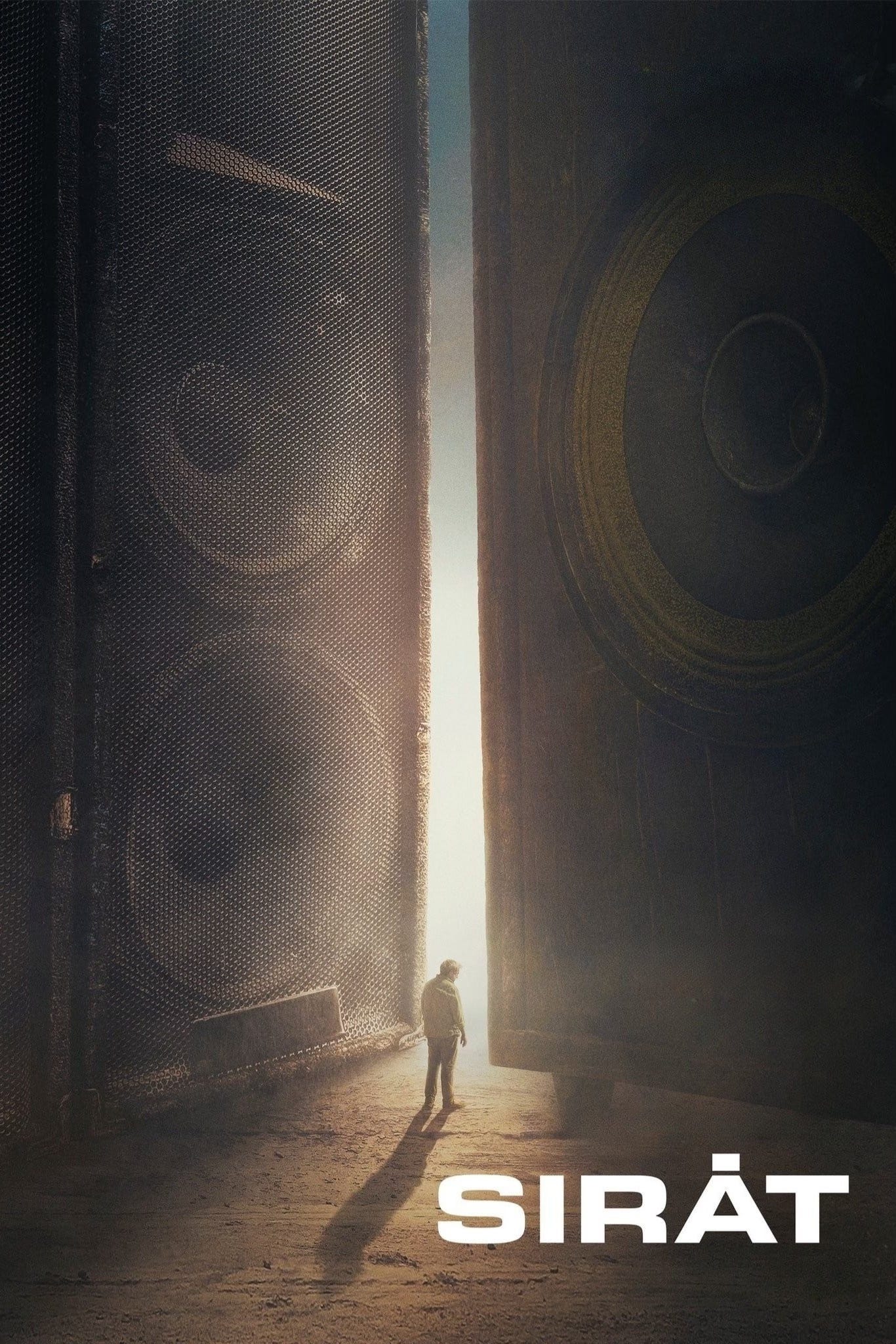
5. Sirat — In theaters and soon available to rent
Sirât announces itself as something altogether singular—an experience rather than a narrative, and one that resists expectation at every turn. I went in armed only with the barest premise: a father and son searching for their daughter/sister amid a rave in the Moroccan desert. What unfolds from that deceptively simple setup is among the most disorienting and devastating films I’ve seen this year.
From its EDM-inflected score to an instantly iconic title card and an ending that feels both inevitable and shattering, Sirât operates on a register of sensation and implication. To say much more would be a disservice; this is a film whose power lies in discovery, in the slow erosion of certainty. Roughly halfway through, the ground gives way entirely. I no longer knew what kind of film I was watching—only that it refused to betray my attention.
What ultimately emerges is a harrowing portrait of spiritual depletion: people reduced almost to nothing, numbing themselves with endless, all-consuming content in a futile attempt to drown out the sense of an ending—personal, societal, perhaps even civilizational. The film poses its central question without rhetorical flourish: and to what end? If this is not the path forward, the alternative is neither comforting nor simple. Hope, such as it exists here, demands faith, family, and sacrifice of the most irreversible kind.
The final moments are absolutely gutting—an ending that moved me with a force I rarely felt in cinema this year. Sirât does not console. It does not explain. It simply bears witness, and in doing so, leaves a mark that lingers long after the screen goes dark.
⸻
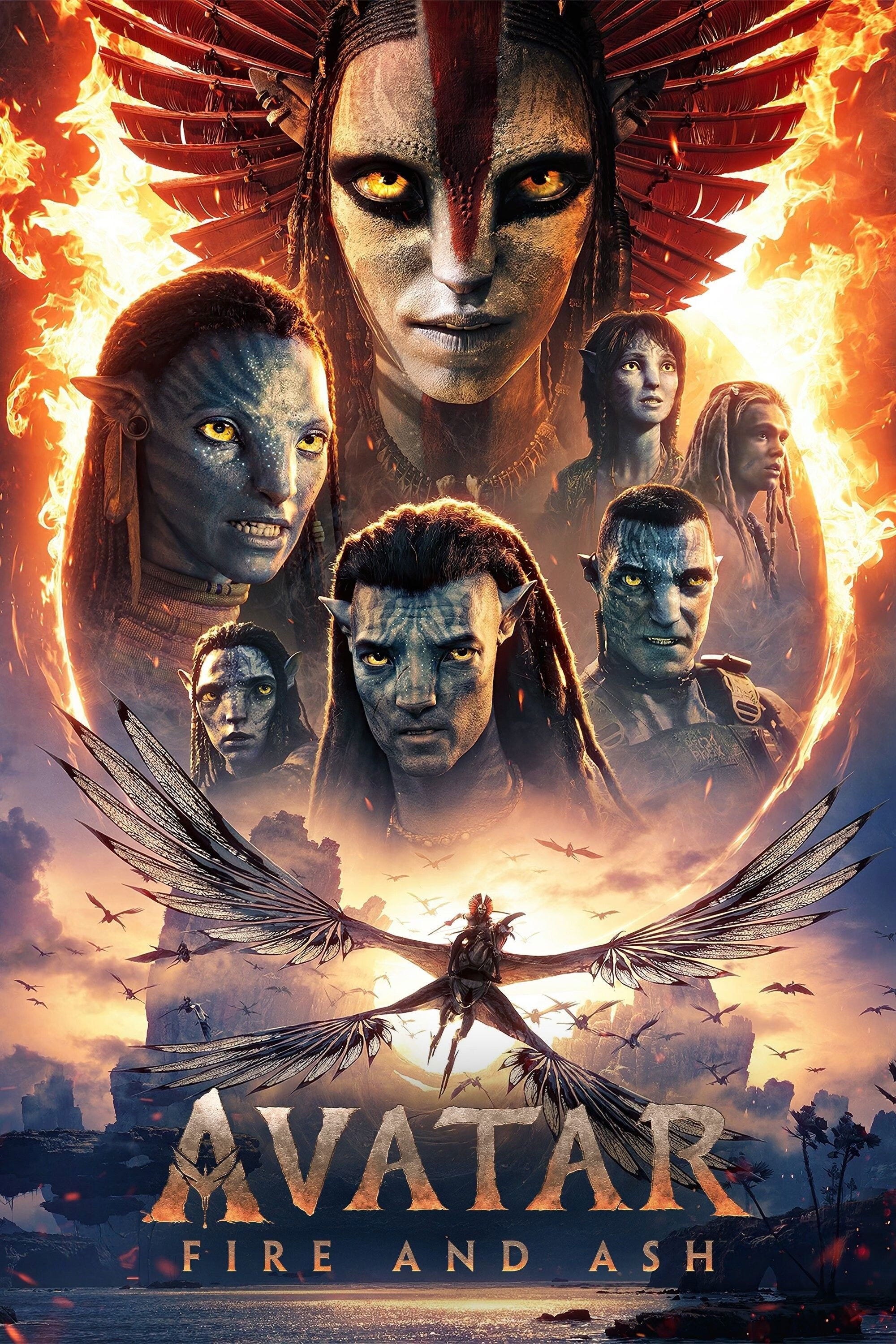
6. Avatar: Fire and Ash — Go see it on the biggest screen you can!
We are so lucky to live in a world where we’ve gotten THREE Avatar films. Cameron’s magnum opus, Avatar is the rare blockbuster so filled with heart and soul that its world feels just as real as the one we live in. It’s an antidote to the hollowness of streaming releases designed to be watched while you scroll your phone, or the limp superhero and sci-fi franchises that seem more interested in selling “IP” and nostalgia than saying anything new. Avatar is brilliant because it shows that we should not lower our expectations and simply accept the slop given to us. You can have your cake and eat it, too.
Cameron achieves this by marrying unbelievable technical breakthroughs in CGI (seriously—watch any behind-the-scenes video on the Avatar movies and you’ll walk away with a deep appreciation for the fact that it’s even possible to make a film like this) with some of the best performances and characters to ever grace the silver screen.
Avatar is biblical. It’s an odyssey. But this grand scope is anchored by Jake and Neytiri’s family—both found and blood—and it’s a joy to watch because the stakes always feel real. How many times have we seen the world’s existence threatened in a Marvel movie? And have you ever really cared? Cameron taps into something so universal, without trying to sidestep sensitive subjects—it’s the kind of confidence that can maybe only come from holding the title for the highest-grossing films and franchises of all time.
Fire and Ash continues his excellent track record with the best Avatar movie yet. For those of you who say this is just a retread of Way of Water, I beg of you: watch more closely. This film works so well because of everything that came before it—the loss of beloved characters, the growth of the ones remaining, and the complicated ways we have to compromise our own morals when faced with impossible decisions.
The film opens with Lo’ak flying with his late brother through the sky of Pandora, and you are immediately transported into one of the most breathtaking visuals you’ll ever see on a screen. The visuals—the single greatest argument that we’ve moved past the uncanny valley—are so magical because of the characters they help us get to know. This opening scene anchors the entire film, boldly tackling the loss of a family member in a war that is so personal, establishing the stakes for all our characters. You’ll spend the next three hours with your jaw on the floor, cheering in your seat, and frequently moved by the performances on screen. One of the most brilliant tricks up Cameron’s sleeve is that the characters we focus on are families of all ages—and it feels like it. Kids act like kids, not just mini-adults as we so often see. The conflicts here are deceptively simple, but peel back the layers and you’ll find a rich tapestry unfolds in which Cameron is not only aiming to entertain, but also seeking to answer these impossible questions. I’ll take as many of these as Cameron will make, and I’ll never forget how lucky we are that this franchise exists.
⸻
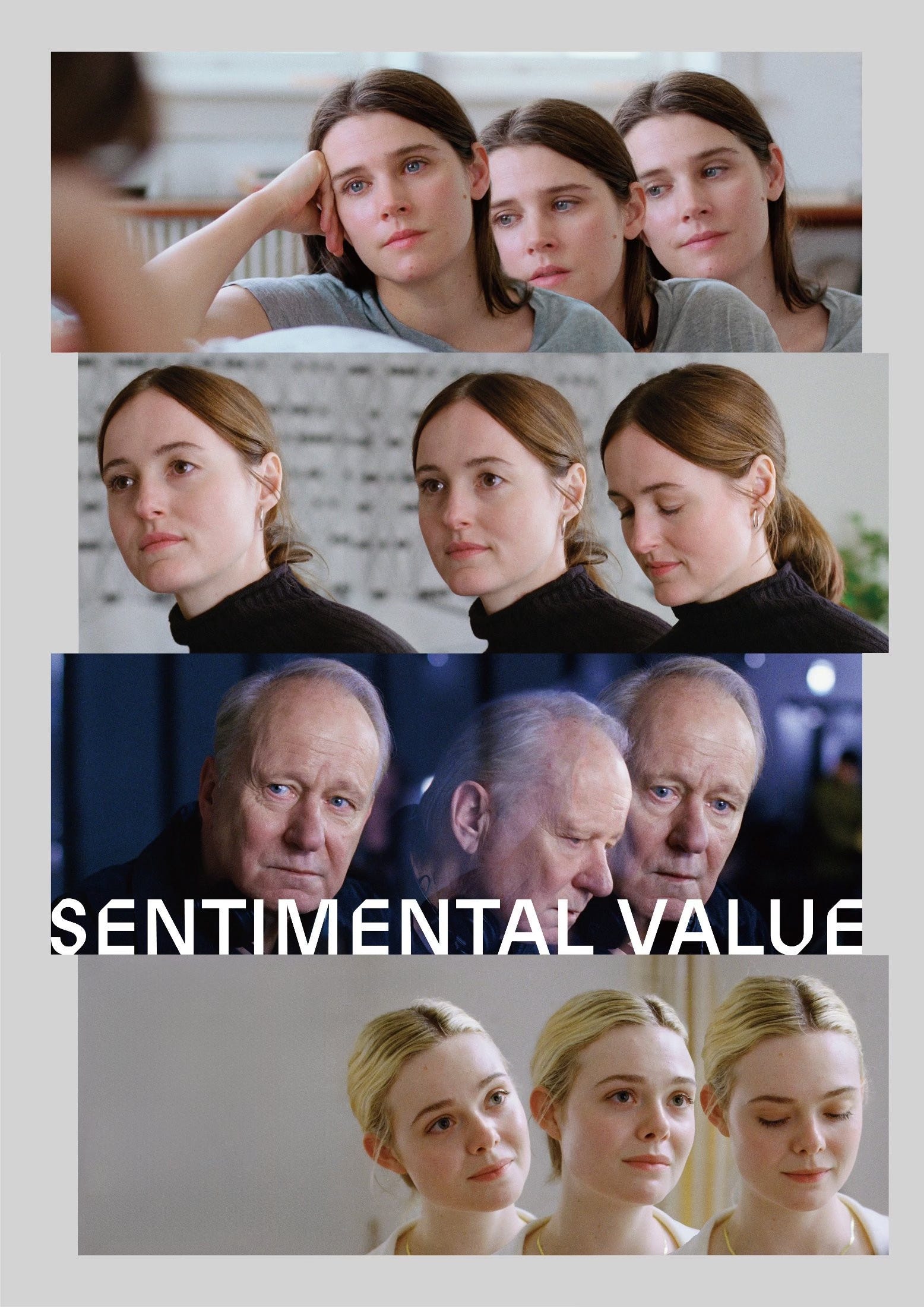
7. Sentimental Value — Available on VOD
What a joy of a film—and possibly the best script all year. This is a tender family drama with a stunning cast: Stellan Skarsgård as our absent patriarch, Renate Reinsve as a daughter overcoming generational trauma, and Elle Fanning in a remarkable supporting role.
Another excellent character is the house itself, serving as a metaphor for generational trauma—a house literally splitting in half as this family tries to rebuild (or, really, build for the first time) relationships and heal from a long history of depression.
I was most impressed by Elle Fanning, an aspiring actress caught in the middle of this complex (and all too real) family dynamic, slowly morphing into the father-daughter relationship so absent between Skarsgård and his two children. As much as I love the script, this is a true acting showcase (reinforced by the significant awards nominations coming their way), where the whole cast inhabits these characters by peeling back their feelings and experiences—where the subtlest moments feel seismic.
⸻
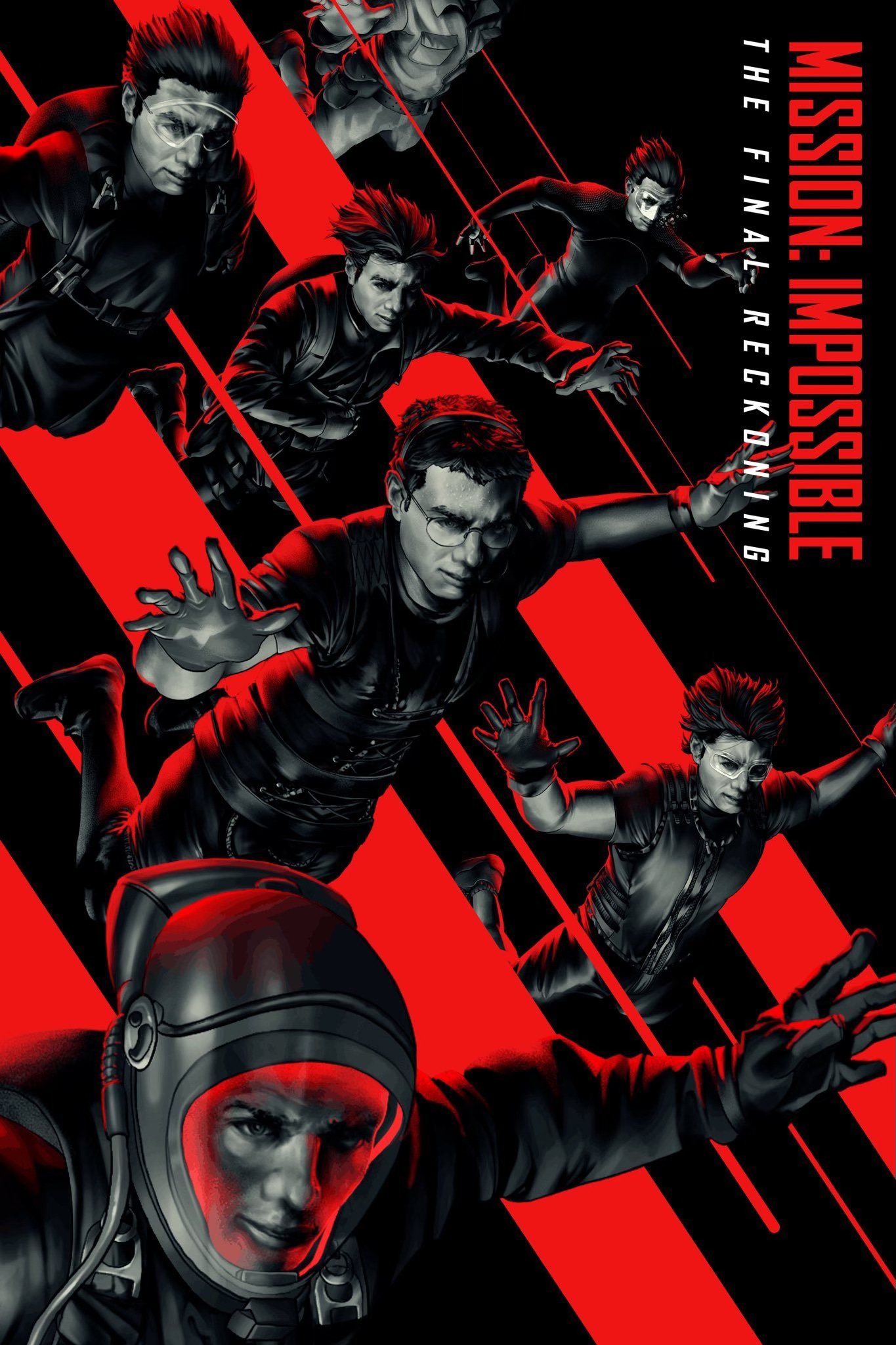
8. Mission: Impossible — The Final Reckoning — Paramount Plus
The least surprising addition to my list—we’re all asked to trust Tom Cruise one last time, and he has certainly earned that trust. The Final Reckoning is ostensibly the end of the Mission: Impossible franchise as Cruise and McQuarrie have curated it over the past decade, and this film ramps up the conflict and stakes exquisitely.
We have, as expected, unbelievable set pieces, including an underwater sequence where we find Ethan Hunt biblically reborn to take on the greatest threat the Impossible Mission Force has ever faced. It’s this transcendence into faith that makes this final film an epic coda to half a dozen films that came before it.
And what else is there to say? Tom Cruise has been on a generational run. He is a talent we are unlikely to ever see again. The stunts on display are masterful and entertaining, but these films have always been striving to do more than just entertain - and The Final Reckoning finally gets us there - in no small part to the lore we’ve built up over the entire series.
Ethan Hunt is aspirational and hopeful. For as many films on this list that ruminate in nihilism - not here. When faced with the trolley problem, Ethan Hunt always finds a way to save both parties. There is no sacrificing for the greater good here. There is no compromising of our morals. It’s what makes this character so compelling - guiding us all to do what’s right even in the face of impossible odds.
⸻
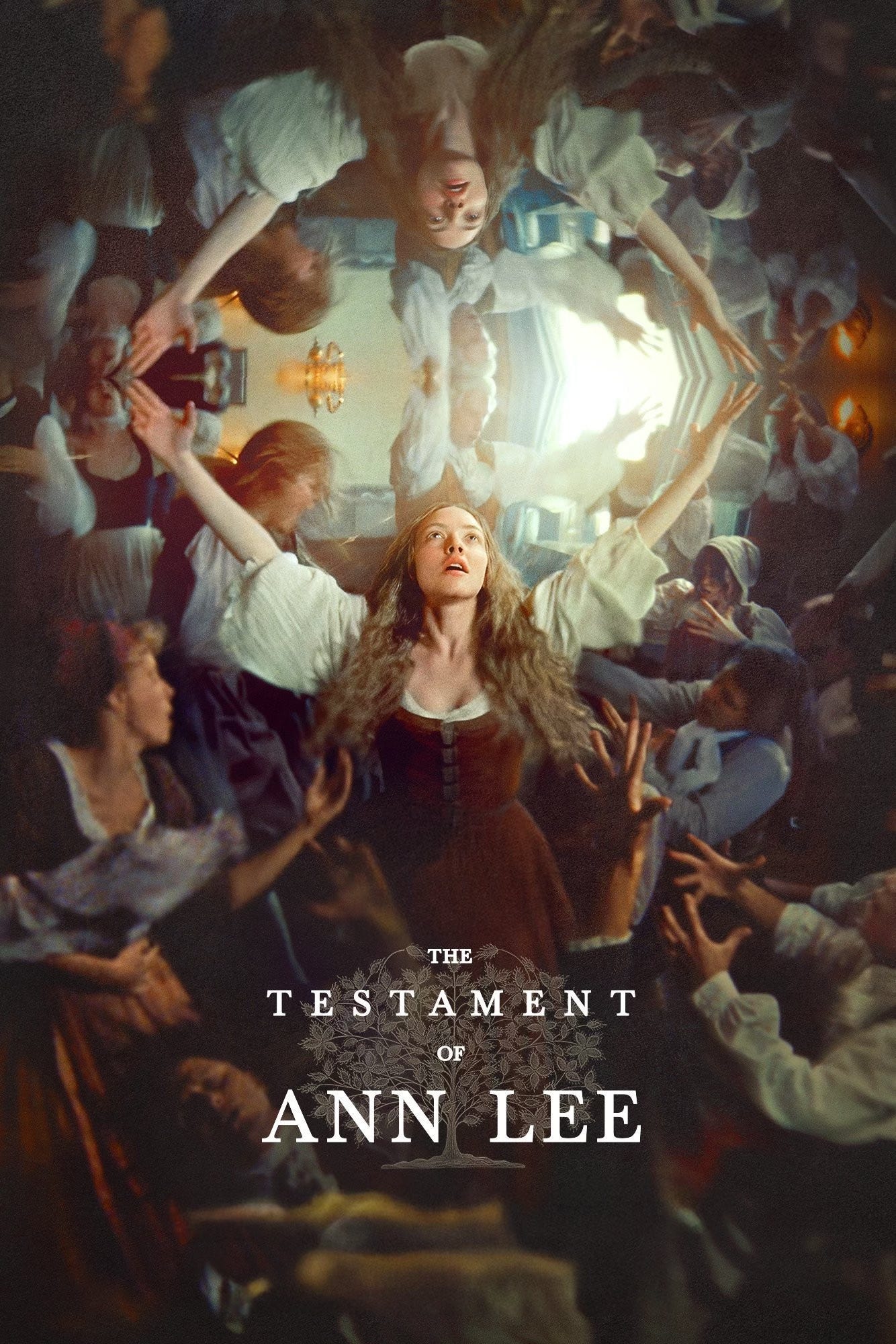
9. The Testament of Ann Lee — In theaters!
Unlike any musical you’ve ever seen before. Amanda Seyfried is our titular Ann Lee—or the Second Coming of Christ, or the woman clothed by the sun—and she is operating on a transcendent level. This feels like the role Seyfried was born to play. Her talent for song and dance is well known, but this role envelops her on every level, in a way that leaves no one questioning why someone would follow her as a faith leader.
The musical numbers are astounding. Daniel Blumberg is a genius, and the music—drawn from actual Shaker prayers—is unmatched. There is not one misstep in the score. A perfect example is when another faith community, a proto-doomsday cult (led by the always welcome Tim Blake Nelson), which we never fear because our faith is so bought in to Ann Lee, erupts into an electric guitar moment—representing the dramatic offering Lee and her Shakers can bring to people who have only ever heard preaching rooted in fear instead of hope.
Mona Fastvold and Brady Corbet made The Brutalist in 2024, and Ann Lee feels like a perfect companion to last year’s masterpiece. We are taken through three distinct periods of the Shaker journey: its founding in Manchester under the oppressive Church of England, the biblical voyage across the Atlantic Ocean aboard the condemned Maria, and the expansion of the Shaker faith in the New World. Given this framing, the film taps into the conversation they began in The Brutalist—an exploration of the hopes of America that failed to be realized over and over again.
The production is incredible—and, as with their previous work, Ann Lee feels like it was made with a budget ten times the size. Almost every scene feels like a classic, ornate matte painting (in fact, some of the establishing shots were literally matte paintings made specifically for the film), with our characters inhabiting a world that feels appropriately late-1700s. These distinct visuals serve just as much to echo the journey we are on as the situations our actors are placed in.
Ann Lee repeats the proverb “A place for everything and everything in its place,” and that feels as much a summation of the film as it does the ethos behind Fastvold and Corbet’s long line of ambitious filmmaking—and The Testament of Ann Lee has undoubtedly earned its place.
⸻
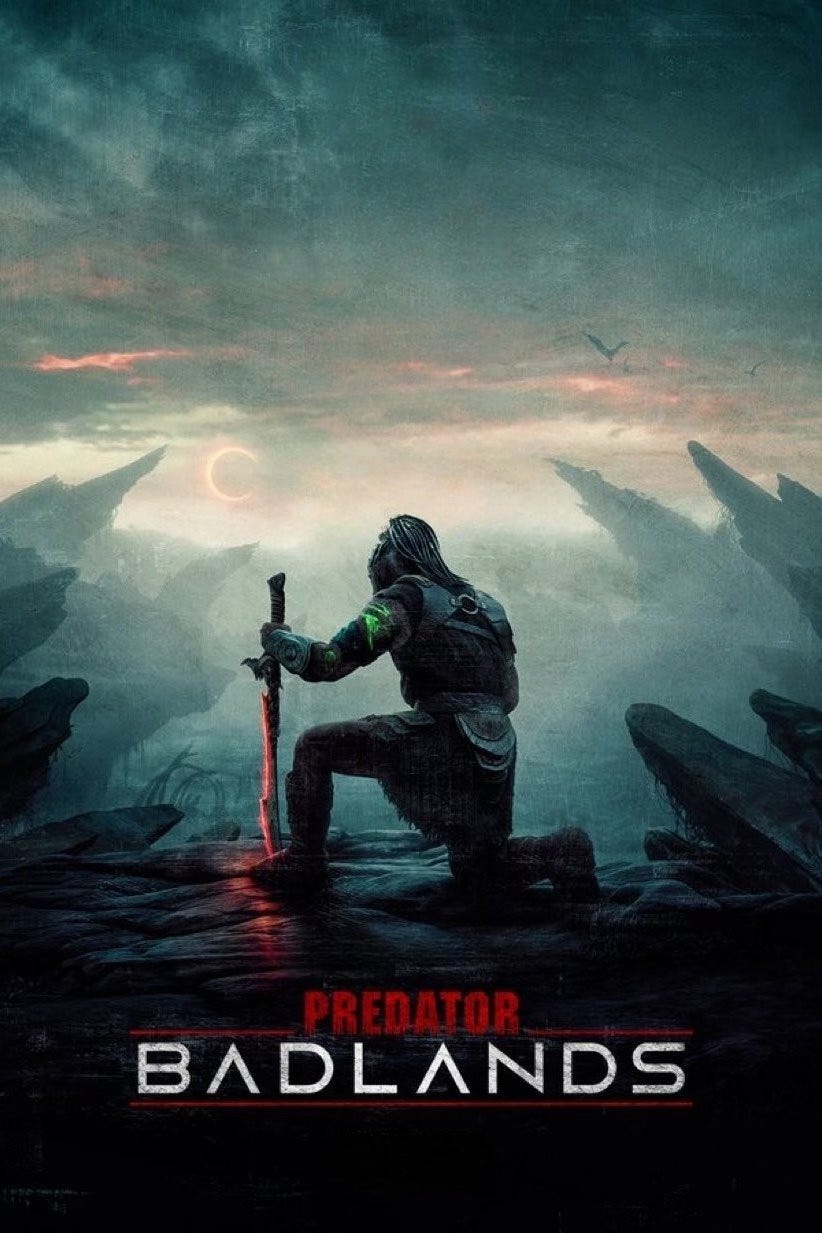
10. Predator: Badlands — Available on VOD
Maybe the most fun I have had at the movies this year. Trachtenberg finally gets the chance to bring his reimagining of the Predator universe onto the big screen (with the prequel, Prey, unceremoniously released straight to Hulu), and this is a glorious sight to behold.
The only animated film to rival the exceptional work in Avatar, Dek is our Yautja protagonist, wonderfully portrayed by Dimitrius Schuster-Koloamatangi. For a scary alien creature, I couldn’t get over the sheer depth of emotion on display. Elle Fanning is exceptional in her dual role as Thia and Tessa, two Weyland-Yutani synths—one slavishly devoted to the company, and the other as Dek’s dutiful sidekick.
I’d be remiss if I didn’t mention Bud. It feels like, somewhere along the way, it became impossible to make a film without introducing a cute side character (designed to exist in every form of stuffed animal and action figure possible) and, while I am not one to resist a cute lil dude, these characters have often felt superfluous to the overall plot. Trachtenberg’s love of the franchise is on perfect display here: he takes what feels like a superficial modern requirement for teen-friendly appeal and instead uses this character as the emotional core of the film—and a key to the plot.
Trachtenberg has really made a perfect film here, nailing every choice a director needs to make on a set. The set pieces are such a blast to watch—from the opening inciting battle among brothers, culminating in an homage to the original Alien. That homage is not lazy (nor are any others in the film), as Trachtenberg is also innovating every step of the way. Spoilers ahead, but Elle Fanning fighting as two halves of her body are separated? “Inspired” is the only word I can use to describe the action in Badlands.
⸻
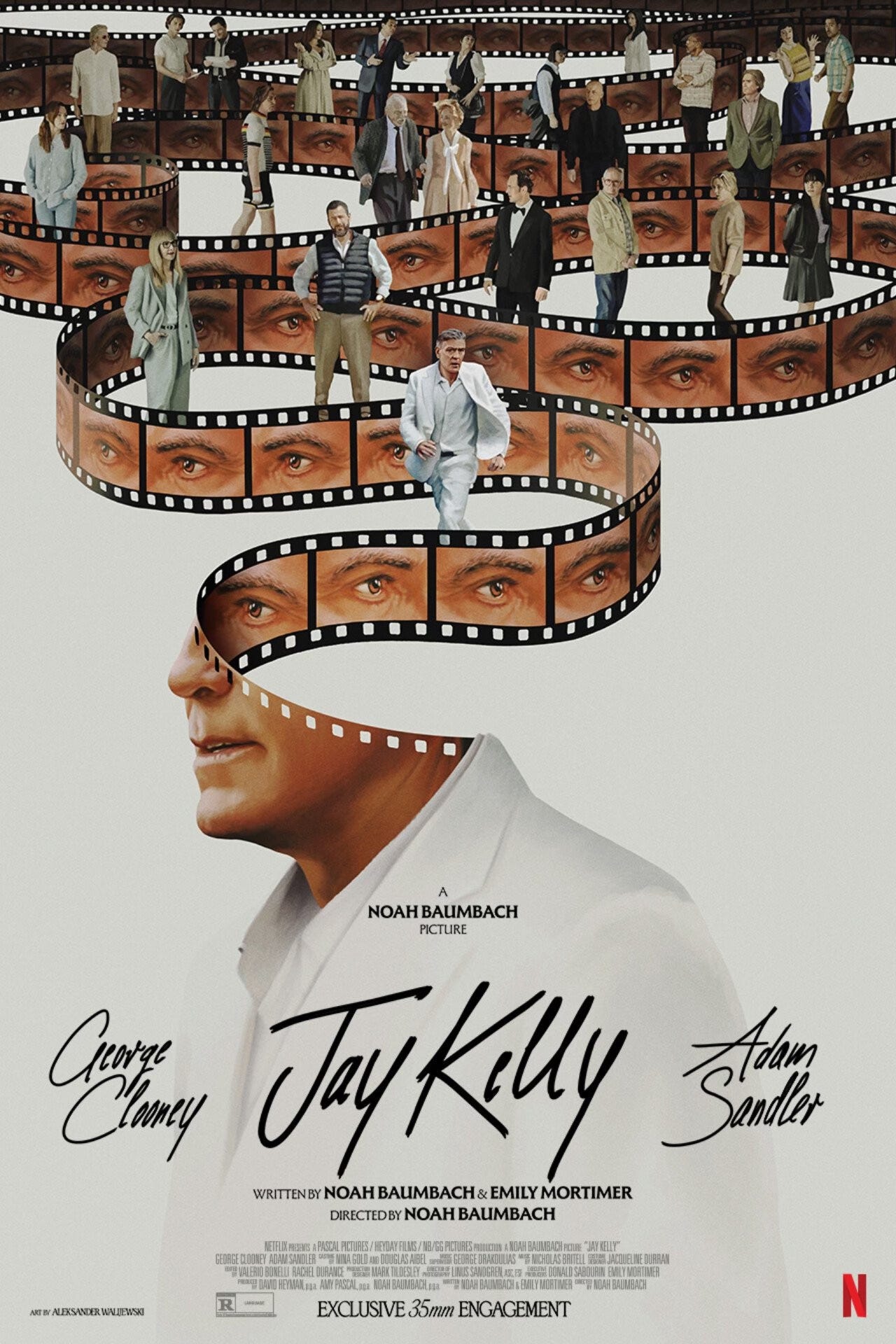
11. Jay Kelly — Netflix
Jay Kelly, or “George Clooney,” is Noah Baumbach’s gentle drama about an A-list star who, nearing the end of his career, reflects on his choices. I know, I know… do we really need another one of these? Short answer: yes. Long answer: this film is a delight. This may be Clooney’s seminal role, and his co-stars are excellent additions, including Adam Sandler, Laura Dern, and Billy Crudup (in a scene-stealing turn as Kelly’s old acting buddy).
Nicholas Britell’s score is a perfect foil for the melodrama on display. It’s not the most subtle, but it is inventive, and it feels like it takes inspiration from our titular character himself—a craftsman excelling at his best. The film is, at times, predictable, but it gets a pass for pulling it off perfectly. Baumbach stages my second favorite scene on a train this year (looking at you, Highest 2 Lowest) to great effect, as Kelly inadvertently becomes the hero those who don’t know him already see.
The earnestness with which Mortimer and Baumbach wrote this film, and the authenticity Clooney brings to the role, ultimately leads to an overwhelming finale. One that you expect to cross the Rubicon—and when it does, you recognize there was no other way to play it. It can be a challenging watch, as we are asked to empathize with a man who simply “has it all”—but that’s why the film works so well. Baumbach and Clooney choose to tell this story in a hyper-realistic setting, but that never prevents it from tapping into something universal. “Can we go again? I’d like another one.”
⸻
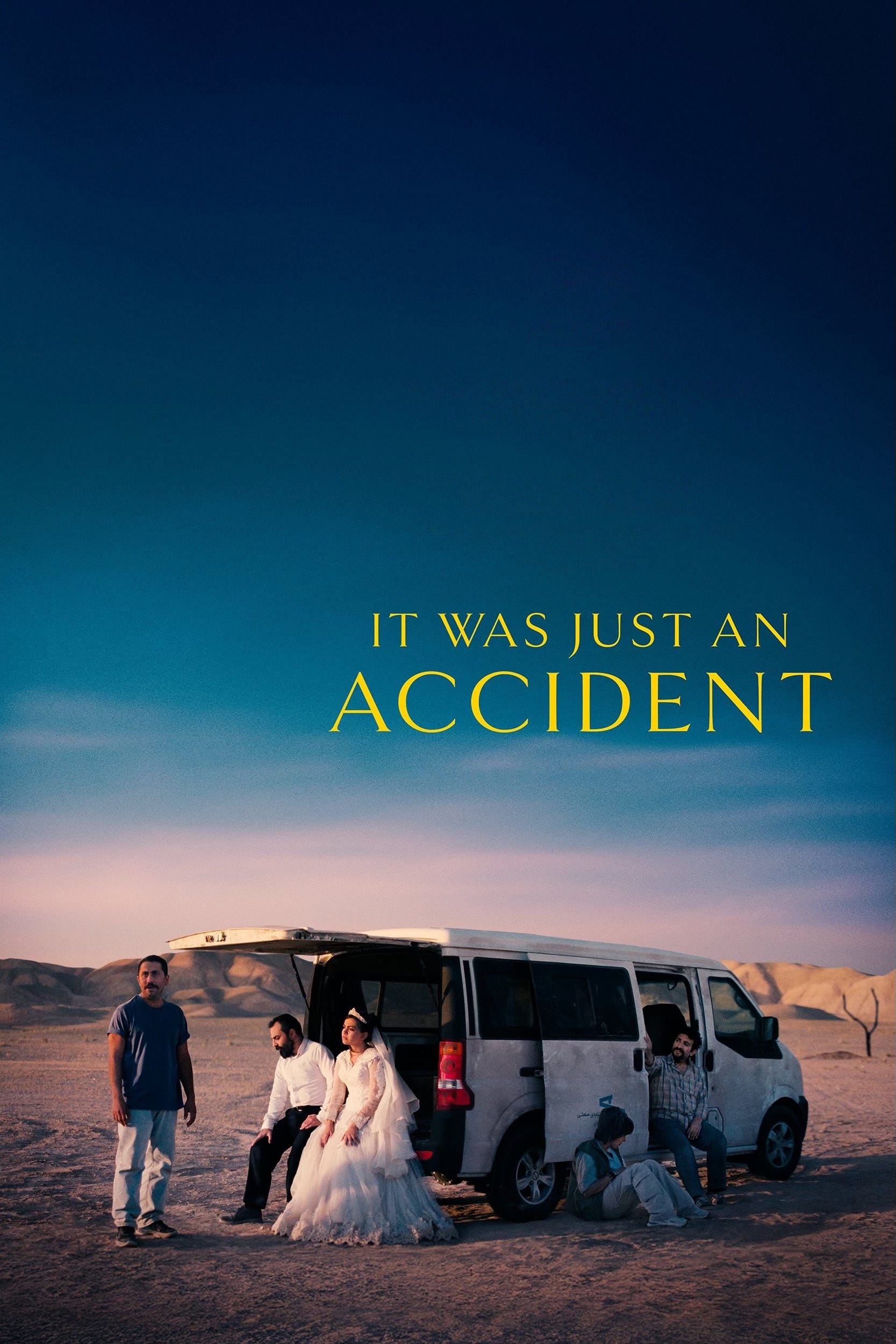
12. It Was Just an Accident — Available on VOD
Jafar Panahi shot this film with no budget, hardly any equipment, all in secret over 20 days, violating dozens of laws in Iran. In fact, he’s been sentenced to prison upon his return to the country (which he is planning to serve once he wraps up the tour of this film). This is not the first time Panahi has been arrested, nor will it be the last, and his sacrifices alone should be enough for you to see this film. That said, there are plenty more reasons, too.
IWJAA follows a group of ex-prisoners on a mission to confirm the identity of the man they kidnapped—a man they believe tortured them (but aren’t certain, given the grave conditions in which they were imprisoned). Drawn from Panahi’s own incarceration, the film treats each character as the physical manifestation of a moral exercise that anyone might fantasize about in such inhumane circumstances.
The film is serious, yes, but what surprised me most was the humor on display. As our characters are plucked out of their various states of re-assimilation (some more successful than others), we find a group of people who are not criminals or masterminds. These are just people, thrust into an impossible situation, forced to interrogate how anyone can maintain their humanity after the torture done upon them. What is our role in retribution and vengeance, and what is to be gained or lost? The final shot left me speechless, and it has stuck with me for months after seeing the film. IWJAA is a miracle—and the bravest film on this list.
⸻
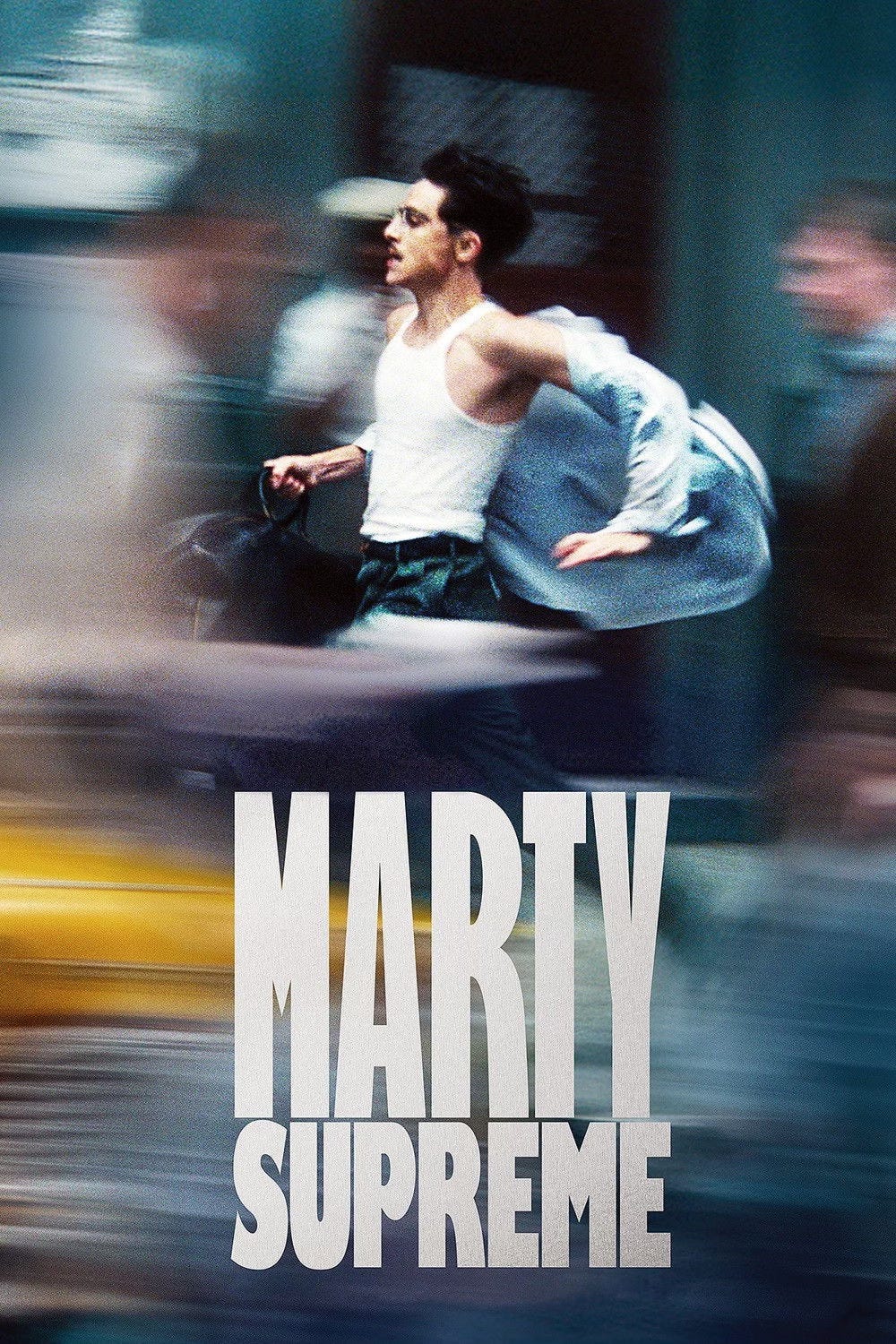
13. Marty Supreme — In theaters!
Timothée Chalamet is a star, operating once again at the top of his game—but that’s hardly surprising, given that this solo Safdie Brothers effort is a maximalist saga filtered through the perspective of a singularly ambitious individual with a niche talent, and the consequences of that narrow, obsessive vision. That same maximalism, however, is also the film’s undoing. The length begins to drag, and the score can feel oppressive, creating the nagging sense that a stronger editorial hand might have elevated this into something truly generational.
All that said, this is undoubtedly one of the best films of the year. Marty Supreme, more than almost any film this year, gives you a plethora of ideas to chew on. Marty Mauser is a great character, introduced to us in a blinding frenzy as we meet a man who only knows how to lie—to himself and to others. It’s no mistake that nearly every interaction we see with Marty’s family is rooted in falsehood—from the cop paid off by his uncle, to his mom’s lie about her health, to Marty lying about how he could not possibly be the father. We see this as a coping mechanism between two generations: one that survived a genocide, and another that can’t even remotely comprehend what that would be like. In fact, we only see Marty be truly honest (or attempt to be honest) once in the middle of the film, when he gifts a stolen rock from the Egyptian pyramids, and again in the final few minutes, where Marty has “achieved” his goal (I put this in quotes because, as one might expect, Marty constantly shifts the goalposts to avoid accepting defeat).
But it’s Odessa A’zion who connects all these threads into something that feels more intertwined than it might initially seem. Odessa plays Rachel, Marty’s childhood best friend and the mother of his child (if he’d ever admit it). Dealing with the same generational divide affecting Marty, Rachel does whatever she can to get his attention—and boy does she. It’s this love story that anchors the entire film, leaving us in a very different place than Uncut Gems or Good Time.
The ambition on display here is inseparable from the ambition embodied by Chalamet’s Marty Mauser himself. This overstuffed, overlong spectacle remains a glorious spectacle—one that begs to be experienced on the big screen. The pacing is relentless, the humor ranks among the best I’ve ever seen in a period piece, and its embrace of lowercase-c “conservative” values offers an unexpectedly rich lens through which to interrogate modern American sensibilities. And that closing scene? An all-timer.
⸻
14. Warfare — HBO Max
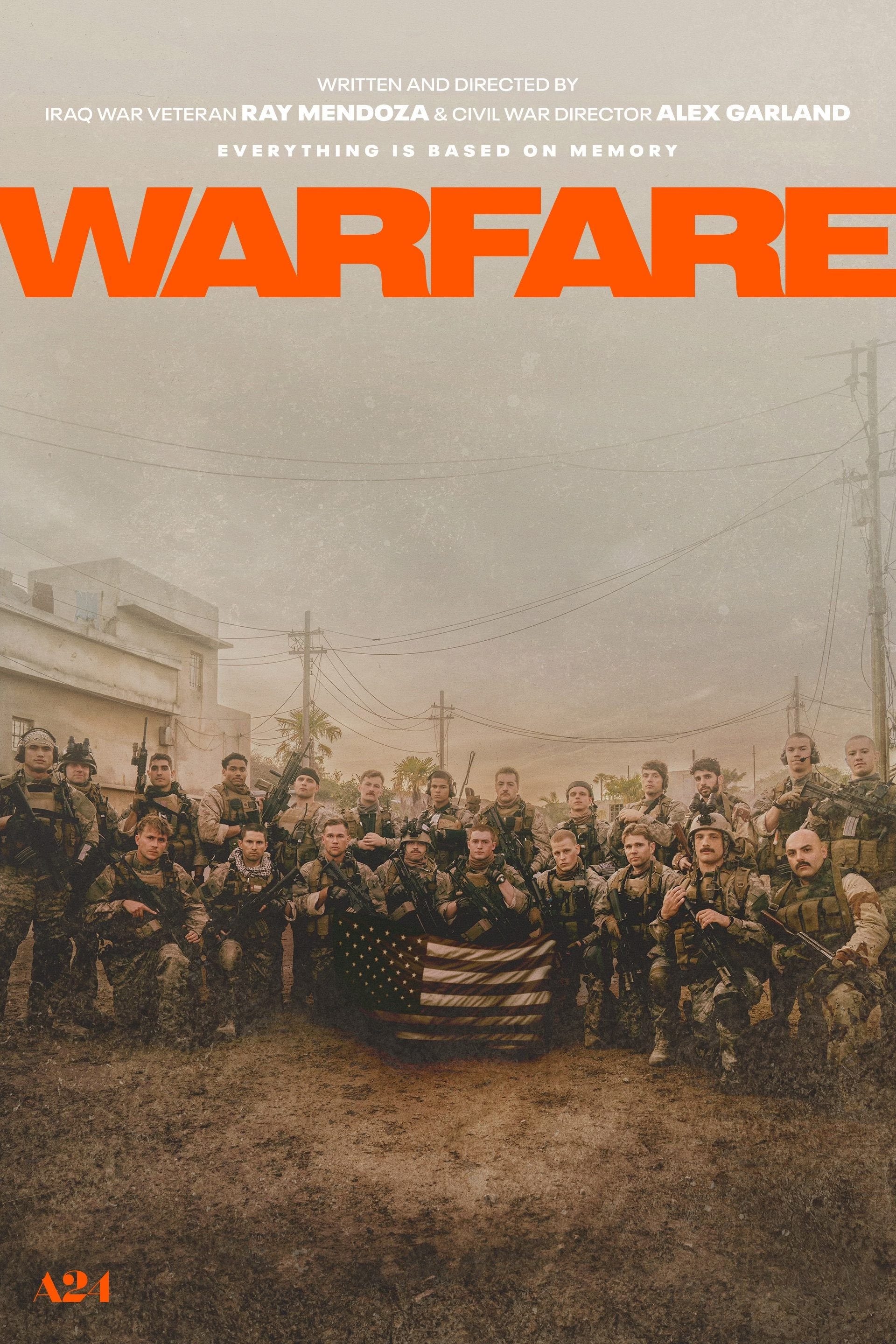
An incredible companion piece to Civil War—Warfare turns the lens on the soldiers we purposefully learn little about. We don’t need to. Their humanity is on full assault. With no score besides Joseph Quinn’s screams, Garland and Mendoza capture the horrific brutality of war.
The “why” doesn’t matter (as it didn’t in Civil War). While some may see that as a flaw, Garland is doing something very intentional here: stripping away conventional narrative to its barest parts—the only way to truly get at the horror we are witnessing. An American Act of Killing in many ways. Tense and heartbreaking—I didn’t take a breath for 90 minutes.
If Civil War was warning that “it could happen here,” Warfare elucidates what that “it” really is—and what we lose in the process. This pair of films ends on some of the most haunting images I’ve ever seen in a motion picture.
⸻
15. After the Hunt — Amazon Prime
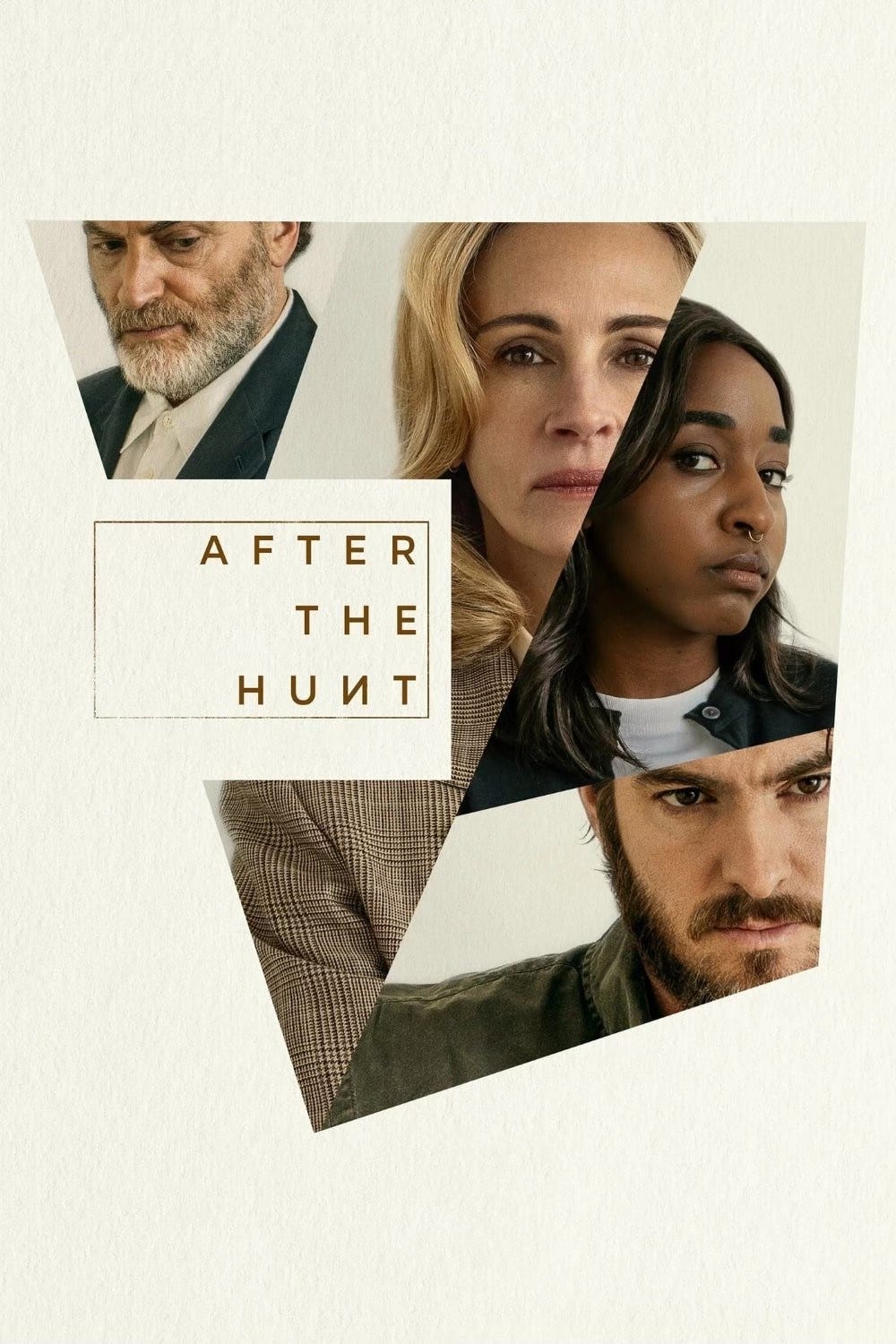
After the Hunt is exceptional. Edebiri and Garfield are excellent, and this might be Roberts’ best role in 20 years. Every scene gives you something new to explore, and Guadagnino elevates every second on screen with his stellar filmmaking. This is Luca Guadagnino by way of Pedro Almodóvar, with a very New England bend, and I loved the melodrama on display.
This is the second time this year I’ve been riveted by a showdown between one of our greatest living actors and an up-and-coming artist (Denzel and A$AP Rocky in Highest 2 Lowest), and I couldn’t be more thrilled by how well these scene partners play with one another.
Almost two and a half hours long, the film flies by—and yes, it’s not actually about what you think it’s going to be about. While presented as a topical “Me Too” analogue, pay closer attention and the film telegraphs exactly what it is in its opening scenes. We all like to think of ourselves as moral people, but what happens when we are put in situations that truly test it? After the Hunt does that for these characters and lands on a universal truth: we protect ourselves at all costs.
This is a film that finally turns the spotlight on good manners, performative activism, and the way our society is becoming unable to engage with art that doesn’t fit their idea of politics. This movie is poking fun at all of us for thinking there is some kind of universal moral standard or clarity. There isn’t, and the film makes a compelling argument for that case in a way that shines a light on our modern political landscape.
Maybe one of my favorite epilogues and final moments in a film this year. Great filmmaking that begs you to talk about it, question it, and discuss every minute detail. It’s a shame the reception has been so muted.
And, in no particular order, here are the films that didn’t quite make my list, but I still highly recommend. You can read my reviews on Letterboxd: https://boxd.it/RdhgE
1. A House of Dynamite
2. If I Had Legs I’d Kick You
3. One Battle After Another
4. Caught Stealing
5. Splitsville
6. Superman
7. Lurker
8. Weapons
9. The Phoenician Scheme
10. Bring Her Back
11. Final Destination: Bloodlines
12. Friendship
13. On Swift Horses
14. Black Bag
15. Presence
16. Blue Moon
17. The Perfect Neighbor
18. Materialists
19. Twinless
20. 28 Years Later